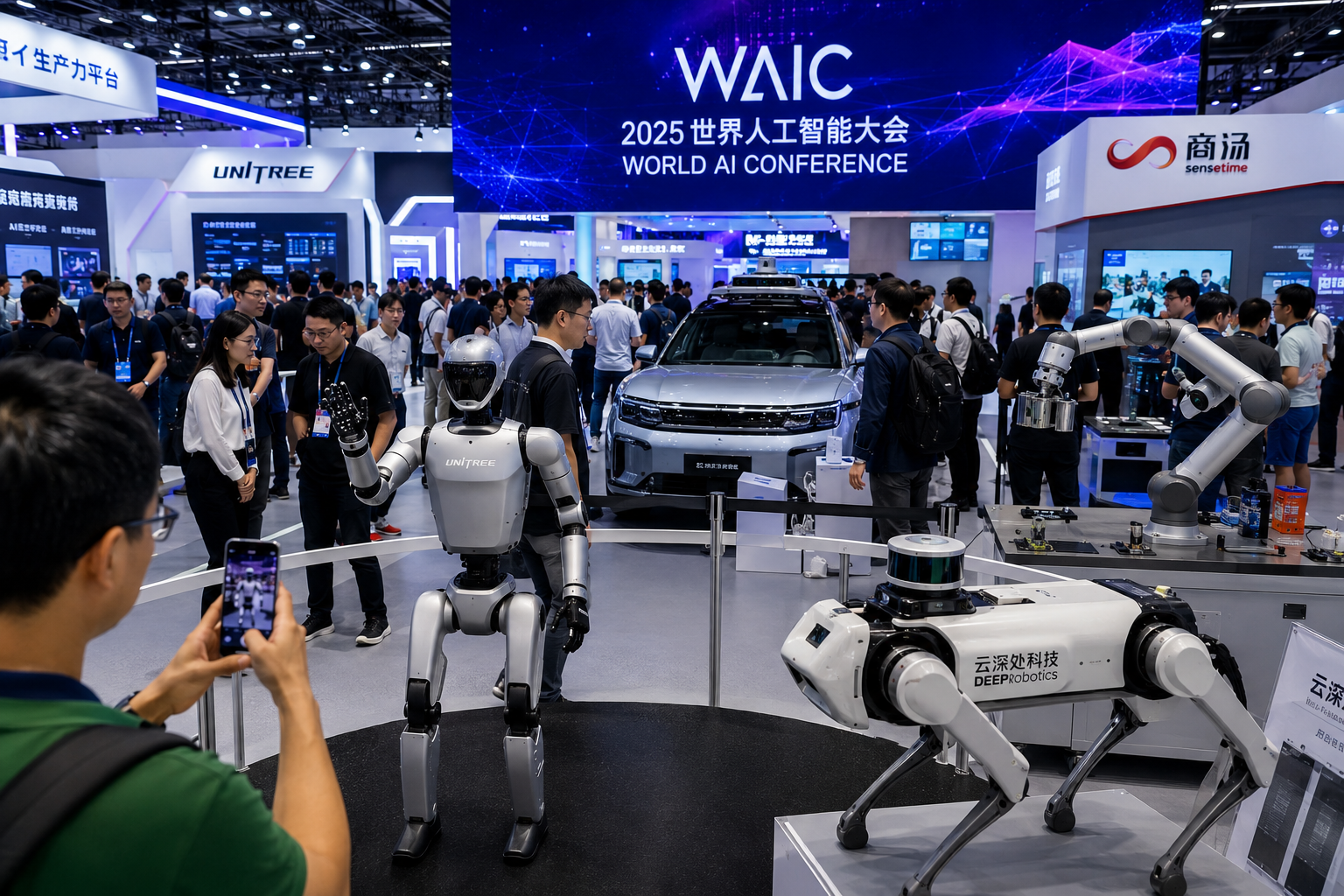
Moonshot AI’s Kimi K3 release drew most of the early WAIC 2026 headlines, but the hardware floor at Shanghai’s World Expo Exhibition Hall tells a different half of the same story. KEENON Robotics, the world’s top-shipping commercial service robot maker, is running live demonstrations of humanoid robots folding laundry alongside its delivery bots. Lens Technology, the Apple supplier best known for cover glass, is showing off a self-developed robot dog and a vertically integrated manufacturing line built to produce embodied AI hardware at industrial scale. And a separate consortium is running the first deployment of embodied AI robots inside a high-end optical fiber factory. The conference’s language model news is the part that travels internationally. The robotics floor is where China’s AI ambitions are being built into physical supply chains.
KEENON Bets on Two Robot Forms at Once
KEENON’s pitch at WAIC isn’t a single flagship humanoid it’s a deliberate hybrid strategy. According to IDC, KEENON ranked first worldwide in commercial service robot shipments in 2025 and holds the top position in the global delivery robot market. Rather than treating humanoids as a replacement for its existing delivery and cleaning robots, the company is showing both forms working the same commercial floor: humanoid units handle flexible, interaction heavy tasks, while purpose built machines like the DINERBOT T9 keep doing high frequency delivery work. The clearest demonstration is a hotel laundry scenario, where humanoid robots load washing machines, retrieve clean laundry, and fold garments while the DINERBOT handles the wider delivery workflow around them.
That combination matters because KEENON isn’t a startup pitching a future vision it already has more than 100,000 service robots deployed across over 70 countries, with clients including Burger King, Buffalo Wild Wings, Hilton, BMW, and Lego. A humanoid strategy layered onto an installed base that size is a commercialization argument, not a lab demo. IDC’s own framing, echoed in KEENON’s presentation, points toward a “diversified, multi-form future” where different robot types get matched to specific tasks rather than one general-purpose humanoid trying to do everything.
Lens Technology’s Pivot From Glass to Robots
Lens Technology’s presence at WAIC is the more structurally significant story, even if it draws less attention than a robot folding towels. The company built its business supplying precision cover glass and structural components to Apple and other consumer electronics makers. At WAIC, under the banner “Leading the New Era of Physical AI,” Lens Technology and its subsidiaries are showing a self-developed quadruped robot dog and complete robot units, alongside components spanning hollow-core fiber and AI server liquid cooling.
The company frames this as a closed loop capability: self-developed core components, precision structural manufacturing, and full-machine original design manufacturing (ODM) under one roof. That’s the same manufacturing model that made Lens Technology valuable to smartphone makers, now redirected at robotics. The company already supplied 132 core metal structural parts covering the head, arms, hips, and legs for the Honor humanoid robot that won the recent Beijing Yizhuang Half Marathon and Humanoid Robot Challenge. Lens Technology’s Yong’an campus in China is fully operational with planned dedicated capacity for embodied intelligence reaching 500,000 units per year, and the company is expanding manufacturing overseas, including a base in Thailand, to build what it describes as a global delivery network.
The signal here is about supply chain, not any single robot. A components manufacturer with Apple grade precision manufacturing experience retooling toward 500,000 units of annual robotics capacity is a bet that humanoid and quadruped robot demand is about to require the same kind of scaled, disciplined manufacturing that consumer electronics did a decade ago.
Embodied AI Moves Into the Factory Floor
A third story from WAIC points at where this hardware ends up working. PsiBot, in partnership with Yangtze Optical Fibre and Cable (YOFC) and Changzhi Embodied Intelligence, demonstrated what the companies describe as the first deployment of embodied AI robots across multiple workflows inside high end optical module manufacturing the precision fiber-optic components used in telecommunications infrastructure. The robots, running on PsiBot’s proprietary Psi R2 embodied model, autonomously handle module insertion, inspection, quality sorting, and packaging, combining sub millimeter positioning accuracy with longer horizon task planning.
This is a narrower and more technical demonstration than KEENON’s hospitality robots or Lens Technology’s manufacturing pitch, but it matters for a specific reason: optical module manufacturing is a precision industry with low tolerance for error, and demonstrating autonomous robots handling that workflow is a different kind of proof point than a robot serving drinks. It’s evidence that embodied AI is being tested in industries where the cost of a mistake is a defective product batch, not an inconvenienced customer.
Why the Hardware Story Belongs Next to the Model Story
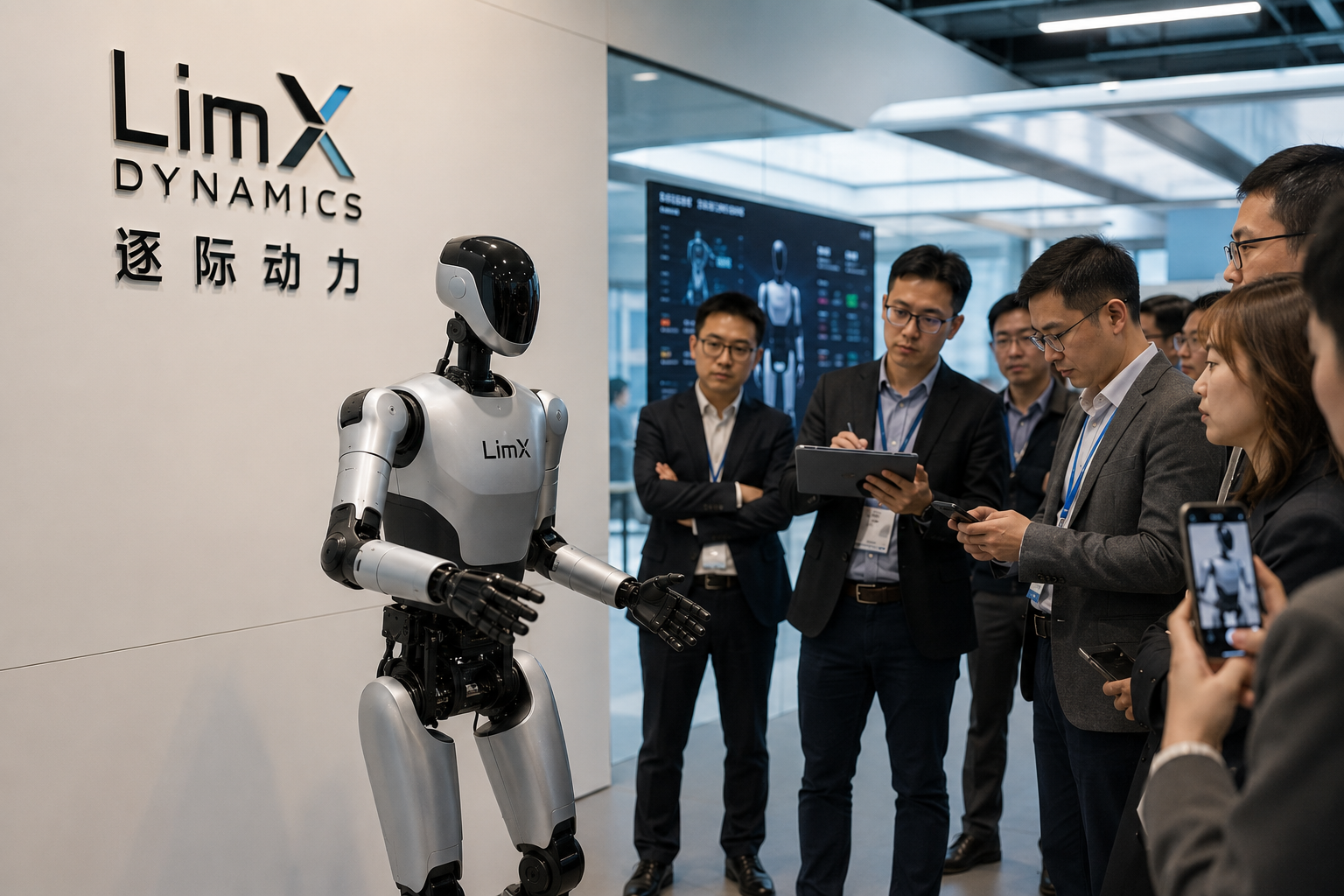
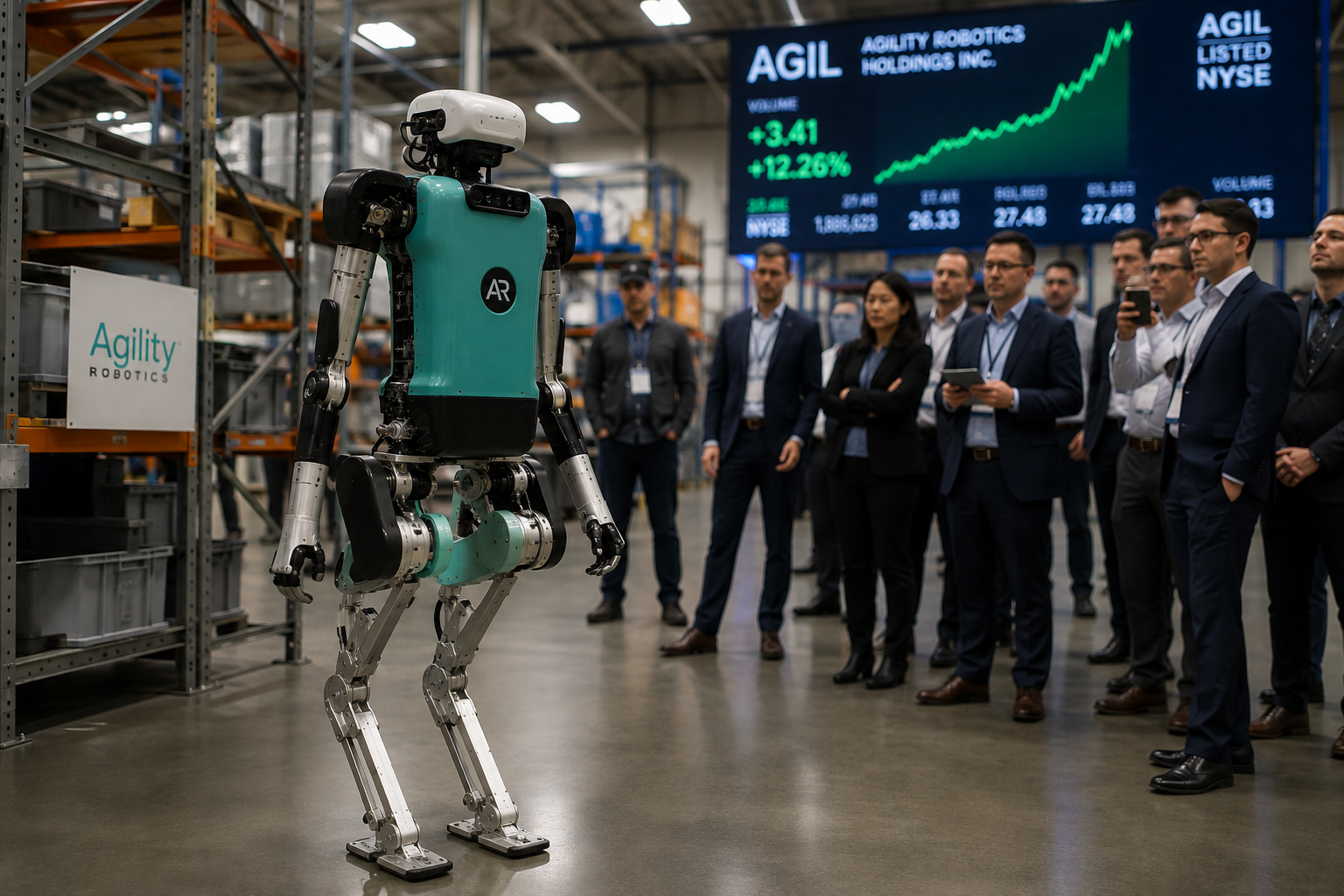
Taken together, these three threads describe an industry moving in the same direction from different starting points. KEENON is proving humanoids can be commercially deployed alongside an existing robot fleet at scale. Lens Technology is proving the component supply chain behind humanoid manufacturing can be built the same way consumer electronics supply chains were, with dedicated capacity in the hundreds of thousands of units. And PsiBot’s optical fiber deployment is proving embodied AI can handle precision industrial work, not just consumer facing service tasks. None of this is as flashy as a 2.8 trillion parameter open-weight model, but it’s the layer that determines whether China’s robotics ambitions the same ambitions fueling Agility, Unitree, LimX Dynamics, and Agibot’s public listings have the manufacturing base to actually ship in volume.
The Bottom Line
WAIC’s robotics floor is a more honest picture of where China’s embodied AI push currently stands than any single model announcement. Kimi K3 shows the country can compete on frontier software. KEENON, Lens Technology, and PsiBot’s factory deployment show the manufacturing and commercial deployment infrastructure is being built in parallel, not as an afterthought. The distinction that matters going forward is between companies still demonstrating what a humanoid robot can do and companies like Lens Technology quietly building the capacity to produce half a million of them a year the second group is a much better predictor of which robotics companies actually deliver on their public-market valuations over the next few years.




Leave a Reply